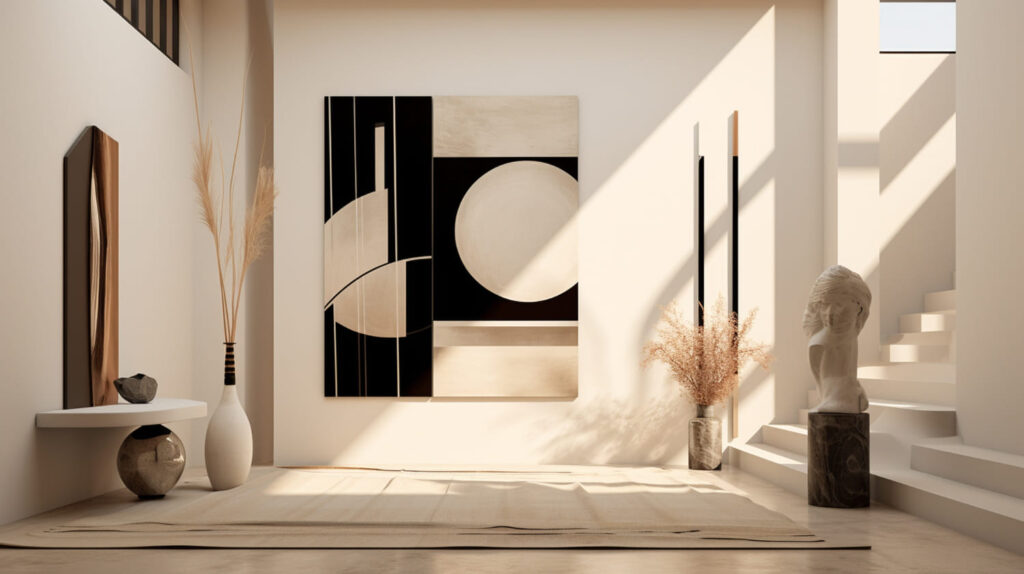

Walk into any home, and you can almost feel its personality. Some spaces instantly give you a sense of calm with clean lines and natural light. Others feel warm, layered, and filled with stories. That’s the magic of interior design styles—they shape how a house feels, not just how it looks.
Thank you for reading this post, don't forget to subscribe!But here’s the tricky part: there are dozens of styles, rules, and trends. You might hear about the 7 basics of interior design, the 3-5-7 rule, or the 2/3 proportion trick and wonder how all of it fits into your own living room. Don’t worry—you’re not alone. This guide is going to break things down in plain language, no fluff, no jargon.
What Kinds of Interior Design Styles Are There?
Interior design is like fashion—it comes in many flavors. The most common include:
-
Contemporary interior design → clean, trendy, light-filled.
-
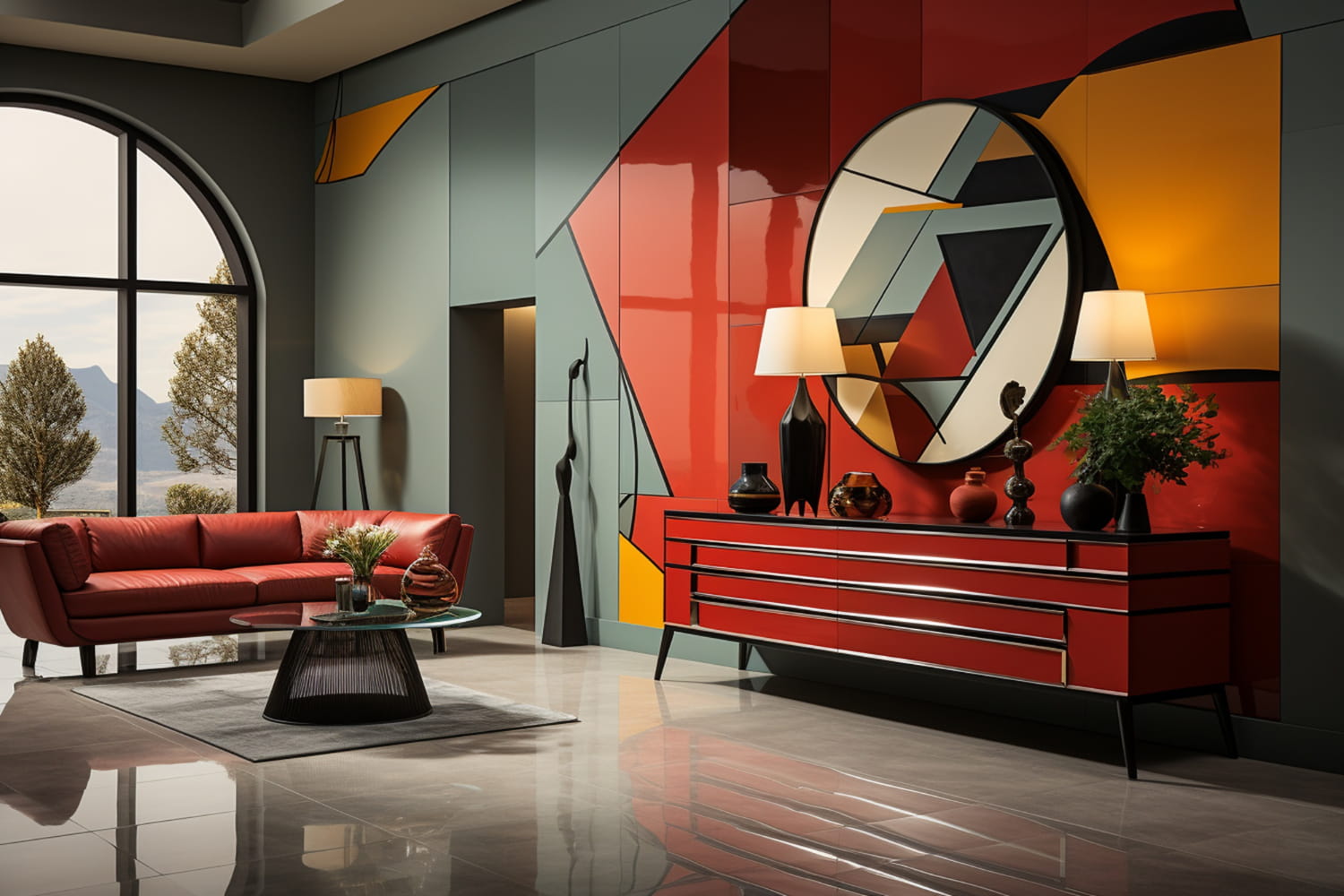
Modern interior design styles → open spaces, sleek furniture, little clutter.
-
Classic interior design styles → elegant, timeless, with symmetry and details.
-
Industrial → exposed brick, raw metals, urban vibes.
-
Bohemian → layered, colorful, anything-goes.
-
Rustic/Farmhouse → cozy, natural wood, comfort first.
-
Transitional → a mix of traditional warmth and modern simplicity.
For a broader view, you can check Transform Your Living Space: A Guide to Home Interior Design. It really highlights how flexible styles can be.
What Are the 7 Basics of Interior Design?
Every great space—whether it’s a modern loft or a classic family home—leans on these fundamentals:
-
Balance (symmetry or intentional asymmetry).
-
Harmony (everything feels like it belongs).
-
Rhythm (patterns or repetition that guide the eye).
-
Proportion and Scale (big pieces in big rooms, small in small).
-
Emphasis (a fireplace, a chandelier—something that stands out).
-
Contrast (mixing textures, colors, shapes).
-
Details (pillows, knobs, lighting—tiny touches that matter).
Without these, even the best furniture won’t feel right.
The 3-5-7 Rule in Decorating
Ever notice how odd numbers look more natural than even? That’s the 3-5-7 rule in action. Designers often group items—candles, pillows, wall art—in threes, fives, or sevens.
Example: three vases of different heights on a dining table instantly feel styled, while two may look awkward. This small trick works across modern interior design styles and classic interiors alike.
The 2/3 Rule in Interior Design
Another favorite rule is the 2/3 proportion. It simply means things look more balanced when one element takes up about two-thirds of the space.
-
A sofa that’s two-thirds the length of the wall.
-
A rug covering two-thirds of a floor area.
-
A painting that spans two-thirds of the console beneath it.
This keeps a room visually balanced without overthinking it.
7 Types of Interior Design Everyone Should Know
Yes, there are dozens of styles, but these 7 types of interior design are the ones you’ll bump into most often:
-
Modern
-
Contemporary
-
Traditional
-
Industrial
-
Rustic/Farmhouse
-
Bohemian
-
Transitional
If you’re curious how these ideas evolve, check Modern Mountain Home Interior Design Ideas. It’s a great example of blending rustic charm with modern sensibility.
Trending Interior Design Styles
Trends change, but in 2025, here’s what’s hot:
-
Japandi (Japanese + Scandinavian minimalism).
-
Sustainable interiors with eco-friendly materials.
-
Maximalism (patterns, colors, bold statements).
-
Smart home aesthetics—tech hidden within beautiful design.
If timeless is more your thing, Colonial Style Homes Interior Design shows how old-world design still feels fresh.
Taking an Interior Design Styles Quiz
Not sure where you fit? Many people try an interior design styles quiz to figure out their vibe. The questions are simple—colors you like, furniture you prefer, and whether you love symmetry or chaos.
It’s not a perfect science, but it’s a fun way to discover if you’re a boho soul, a modern minimalist, or someone who loves classic interiors.
Interior Design Styles PDF Resources
Sometimes, flipping through a PDF guide is easier than scrolling endless photos. These guides often include:
-
Sample room layouts
-
Budget breakdowns
-
Color palettes
-
Checklists for each style
If architecture interests you, The Essence of Westmount’s Architectural Style and Interior Design is worth exploring.
Classic vs. Modern Interior Design Styles
Here’s the quick difference:
-
Modern interiors = minimal, sleek, neutral.
-
Classic interiors = traditional furniture, symmetry, timeless elegance.
Neither is wrong—it depends on how you want your home to feel. If you need inspiration, 7 Great Basement Design Ideas shows how you can combine both in creative ways.
Most Popular Interior Design Styles
Right now, homeowners are loving:
-
Modern farmhouse (still trending).
-
Minimalist modern (great for small spaces).
-
Bohemian chic (playful and personal).
-
Transitional (the happy middle ground).
Planning renovations? The Ultimate Guide to Brick Home Floor Plans shows how your home’s structure often guides design choices.
Final Thoughts
Designing your home isn’t about copying Pinterest boards—it’s about building a space that feels yours. Whether you follow the 3-5-7 rule, play with the 2/3 proportion trick, or dive into one of the 7 types of interior design, the goal is comfort and personality.
From contemporary interior design to classic interior design styles, the beauty of design is flexibility. You can mix, experiment, and even break the rules if it makes your home feel right.
For more sparks of inspiration, explore Ranch Style Home Paint Ideas or Exploring Quonset Home Floor Plans. Who knows? The next big style trend might start in your own living room.