
If you’ve ever poked your head into the attic on a hot afternoon, you know how quickly the air up there can get heavy and stale. That’s where vents come in. While most homeowners know about ridge vents or soffit vents, the gable end vent is one of the older yet still widely used options. But here’s the catch—do they really work as well as people think? Or are they just another piece of trim nailed to the wall?
Thank you for reading this post, don't forget to subscribe!In this guide, we’ll look at what gable vents do, whether they’re worth having, and how they compare to modern systems. We’ll also cover the “1/300 rule,” which is the golden standard for attic ventilation.
Oh, and if you want a deeper dive into the basics, here’s a great resource: Gable Vents Explained: Everything You Need to Know.
What Exactly Is a Gable End Vent?
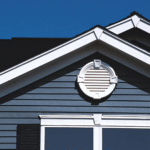
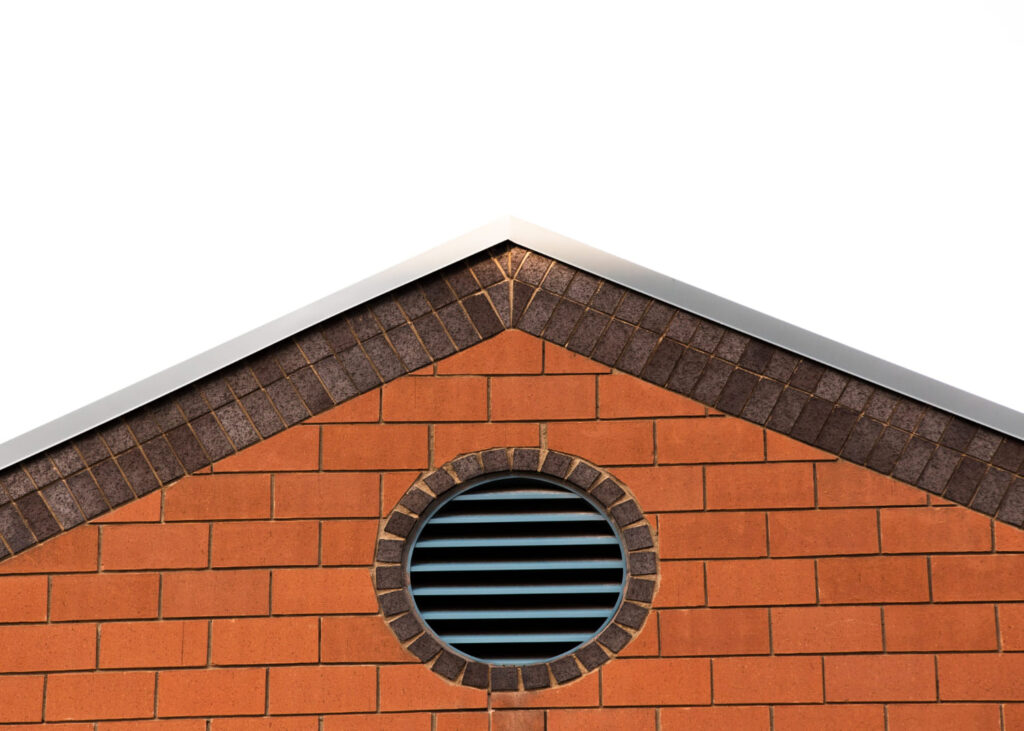
A gable end vent (sometimes called a gable wall vent) is an opening placed high on the triangular wall of a home—the gable. It usually comes in shapes like triangles, rectangles, or even decorative circles. Most are made from wood, vinyl, or aluminum, and they can be either functional or purely decorative.
When functional, their job is to let hot air escape and allow cooler outside air to flow in, keeping the attic from turning into a sauna. In older homes, gable vents were often the primary method of attic ventilation. Today, they’re more commonly paired with other venting systems.
Do Gable Ends Need to Be Vented?
The short answer: usually yes—but not always.
If your attic has no other ventilation, leaving the gable ends sealed can trap heat and moisture. That buildup leads to problems like warped roof decking, higher cooling bills, and even mold growth. By adding a gable vent, you at least give the attic a chance to breathe.
But here’s the nuance: in homes that already have ridge and soffit vents, extra gable vents may actually interfere with the natural airflow. Instead of air moving smoothly from soffit to ridge, it gets pulled sideways toward the gables, reducing efficiency.
So, do gable ends need to be vented? If your home relies only on gables, yes. If you already have a balanced ridge-soffit system, not necessarily.
Are Gable Vents a Good Idea?
This depends on your situation. Let’s break it down:
✅ Good idea if…
-
Your home is older and was built without soffit vents.
-
You live in a mild climate where extreme attic heat isn’t constant.
-
You want a budget-friendly, easy-to-install venting option.
❌ Not always the best idea if…
-
You already invested in ridge and soffit vents.
-
You live in a very humid region where sideways air movement can increase condensation risks.
-
You’re aiming for maximum energy efficiency.
Many roofing contractors actually seal off old gable vents when they install new ridge vents, just to keep airflow consistent. On the flip side, some homeowners keep them open as a “backup” vent.

Ridge Vent vs. Gable Vent: Which Works Better?
If you ask ten roofers this question, at least eight will say ridge vents. And here’s why:
-
Ridge vents run along the peak of the roof. They let hot air escape evenly across the entire attic.
-
Gable vents only allow air to move in and out at two points—the end walls. That means dead zones often form in the middle.
Think of it this way: ridge vents work like an exhaust fan stretching across the whole roofline, while gable vents are like two small windows on the side.
That said, gable vents are better than nothing and can work well in certain designs, especially smaller homes with a straightforward attic layout.
What Is the 1/300 Vent Rule?
If you’ve researched attic ventilation, you’ve probably come across the 1/300 rule. It’s a guideline set by building codes and roofing professionals. Here’s how it works:
-
For every 300 square feet of attic floor space, you need 1 square foot of ventilation.
-
Ventilation should ideally be split 50/50 between intake (soffit) and exhaust (ridge or gable).
Example: If your attic is 1,200 sq. ft., you’d need about 4 sq. ft. of total venting area. That could be achieved through a mix of soffit vents and either ridge or gable vents.
The rule helps prevent moisture buildup in winter and overheating in summer—two of the biggest enemies of roof longevity.
Cost, Materials, and Installation
One of the reasons gable vents remain popular is affordability. Most range from $40 to $200, depending on the material and size. Vinyl is budget-friendly, while wood or metal can cost a bit more but last longer.
For handy homeowners, installation isn’t overly complex. It typically involves cutting an opening, framing it, and fastening the vent. However, if siding or structural adjustments are needed, a contractor might be the safer choice.
Pros and Cons of Gable End Vents
Here’s a quick breakdown:
Pros:
-
Inexpensive compared to ridge systems.
-
Easy DIY project in many cases.
-
Adds decorative charm to the exterior.
-
Provides basic airflow if no other system exists.
Cons:
-
Less efficient than ridge/soffit systems.
-
Can disrupt airflow when mixed with other vents.
-
Limited coverage in large attics.
-
May allow wind-driven rain or snow without proper louvers.
Final Thoughts: Should You Rely on Gable Vents?
If you’re living in an older house without soffit or ridge vents, a gable end vent can be a simple and affordable way to keep your attic breathing. It’s certainly better than having no ventilation at all.
However, if you’re building a new home or upgrading your roof, modern ridge and soffit systems usually outperform gable vents in efficiency and balance. Many contractors even recommend closing off the old gables once a ridge system is in place.
Bottom line? Gable vents aren’t outdated, but they work best in certain conditions. Weigh your climate, attic size, and budget before deciding.
And if you’d like to go deeper into styles, materials, and more technical details, don’t miss this in-depth read: Gable Vents Explained: Everything You Need to Know.