

If you’ve ever poked your head into the attic on a blazing summer afternoon, you already know how brutal it can get up there. The air is heavy, hot, and still. I once helped a neighbor in July, and the minute we opened the hatch, it felt like we’d opened an oven door. That trapped heat doesn’t just make the upstairs stuffy—it also drives up cooling costs and, over time, can even cook your shingles from underneath.
Thank you for reading this post, don't forget to subscribe!That’s why attic ventilation matters. One of the oldest tricks in the book is the gable vent. You’ve probably seen them—those slatted vents on the triangle walls at the ends of a house. They’ve been around forever, but here’s the big question: are they still good enough, or have we moved past them?
What Are Gable Vents, Really?
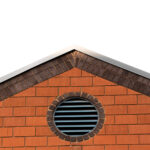
Think of gable vents as your attic’s “nostrils.” They sit up high on each side wall, usually shaped like a triangle, circle, or rectangle, and they let hot air drift out. On a breezy day, air pushes in one side and out the other. Simple, right?
They don’t have moving parts, they don’t need electricity, and they’ve been standard in houses built before ridge vents were common. If you want a deeper dive into their basics, this article does a good job: Gable End Vents: What They Are and Why You Should Care.
Are Gable Vents Enough for Attic Ventilation?
Here’s the straight answer: not usually.
They can help, but they’re not a complete system. Why? Because they depend on wind. If there’s a steady breeze blowing across your roofline, gable vents move air. But on still, sticky days? Not so much.
Good attic ventilation is about creating a loop—cooler air gets pulled in low (usually through soffit vents) and hot air escapes high. Gable vents by themselves don’t always make that loop happen. So while they’re better than nothing, they don’t always solve the problem.
The Downsides of Gable Vents
I’ve seen plenty of houses with only gable vents, and here are the common issues:
-
Uneven airflow: Some parts of the attic stay stagnant.
-
Humidity trouble: In damp climates, moisture lingers, leading to mildew smells.
-
Clashing systems: If you add ridge vents later, gable vents can “short-circuit” airflow.
-
Uninvited guests: Birds, wasps, even the occasional squirrel love unscreened vents.
-
Curb appeal: Some folks just don’t like how they look on the siding.
Why Roofers Ditched Attic Fans for Ridge Vents
Years ago, powered attic fans were the hot trend. They pulled air out fast, but roofers learned the hard way they weren’t perfect.
Fans chew through electricity. Worse, if your attic isn’t sealed, they can suck cool air right out of your living room. Homeowners would notice the A/C running nonstop and still feel warm upstairs.
That’s why most modern roofers push ridge vents. They run along the entire roof peak, don’t need power, and when paired with soffit vents, they create steady, natural circulation. No motors, no noise, no extra electric bill.
Gable Vents vs. Ridge Vents: Which Is Better?
Nine times out of ten, ridge vents win.
Here’s the deal:
-
Ridge vents cover the whole peak, not just two walls.
-
They use the natural rise of warm air (stack effect), not just the luck of the wind.
-
They handle moisture much better, especially in humid areas like the Southeast.
Gable vents still have their place, but if you’re replacing your roof or building new, ridge vents are usually the smarter call.
When Gable Vents Still Make Sense
That doesn’t mean gable vents are useless. They work in plenty of situations:
-
Older homes: Lots of houses built decades ago rely on them, and they can still do the job.
-
Tight budgets: If you don’t want the expense of reworking the roof, they’re a cheap way to get some ventilation.
-
Colder climates: In northern regions where heat buildup isn’t extreme, they’re often “good enough.”
I’ve even seen homeowners keep them as backup when ridge vents don’t quite cut it. They’re not the best, but they’re not worthless either.
Tips If You’re Sticking With Gable Vents
-
Check the screens: Birds and bugs love open vents.
-
Clear obstructions: Insulation and boxes in the attic can block airflow.
-
Pair with soffits: Gable vents work far better when they’ve got fresh air coming in below.
-
Watch for warning signs: Musty smells, damp rafters, or sky-high cooling bills are all red flags.
Quick FAQs
Do they leak in rain?
Not if installed right. Louvers keep most weather out.
Can you mix gable and ridge vents?
Sometimes, but it often backfires. Ask a roofer before combining them.
How do I know if my attic’s ventilating well?
If your upstairs feels like a sauna in summer or you see condensation in winter, it’s a problem.
Should I replace them with ridge vents?
If you’re already doing a roof replacement, yes—it’s worth it. Otherwise, it depends on your climate and budget.
Bottom Line
Gable vents are a classic, and they still help in the right situations. But they’re not the powerhouse of attic ventilation anymore. If you’re building new or replacing a roof, ridge vents paired with soffits are almost always the better investment.
That said, if your older home is holding steady with gable vents, don’t panic. Just keep them clear, keep an eye out for moisture, and know their limits. Sometimes the old ways still work—just not everywhere, and not for everyone.