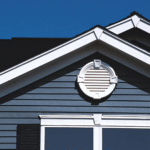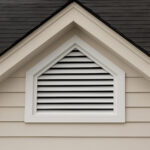

When homeowners talk about “finishing touches” on a house, they usually mean paint colors or landscaping. But look up at your roofline, and you’ll notice something small that plays a surprisingly big role in both appearance and performance — the gable vent.
Thank you for reading this post, don't forget to subscribe!Among all the options, the 18 x 24 gable vent has become a homeowner favorite. It’s large enough to support attic ventilation yet compact enough to fit seamlessly into most gables. If you’re searching for “18 x 24 gable vent near me,” comparing prices at Lowe’s or Home Depot, or debating between aluminum and decorative versions, this guide breaks down everything you need to know before buying.
Why Size and Shape Matter in Gable Vents
A gable vent isn’t just a pretty detail; it helps your attic breathe. By allowing hot air and moisture to escape, it reduces the risk of mold, wood rot, and even premature shingle damage.
The 18 x 24 size is popular because it offers solid airflow capacity without overwhelming the design of your gable. For example, on a medium-sized attic, one or two vents of this size often provide enough ventilation when combined with soffit vents.
Want a deeper dive into how gable vents actually function? Here’s a resource worth exploring: Everything you need to know about gable vents.
Local Searches: Finding an 18 x 24 Gable Vent Near You
If you’ve been typing “18 x 24 gable vent near me” into search engines, you’re probably hoping for a quick local pickup. The benefits of buying nearby include:
-
No shipping wait times — pick it up the same day.
-
Visual inspection — you can check the color, texture, and material in person.
-
Support local suppliers — many small lumberyards or roofing companies carry vents.
Local inventory can vary, though. That’s why many homeowners also turn to Lowe’s and Home Depot, where stock is more predictable.
Lowe’s: A Trusted Stop for Gable Vents
Lowe’s usually carries an impressive selection of 18 x 24 vents, from simple vinyl panels to sturdy aluminum models. Homeowners often choose Lowe’s for:
-
Variety of colors and finishes.
-
In-store staff guidance if you’re unsure which vent to pick.
-
Budget-friendly prices compared to custom orders.
Still on the fence about whether gable vents are essential? This article might help: Do you really need gable end vents for your attic?.
Home Depot: Practical Options for Every Budget
Home Depot’s collection of 18 x 24 gable vents is also worth checking. Their shelves often include functional models that improve airflow as well as decorative vents for design-focused homeowners.
If durability is your top priority, look for their aluminum versions. These hold up well in extreme heat, humidity, and coastal environments.
For a thoughtful explanation of why vents still matter, see what gable end vents are and why you should care.
Choosing the Right Finish: Black, Aluminum, or Decorative
Color and material can make a big difference in how your vent blends — or stands out.
-
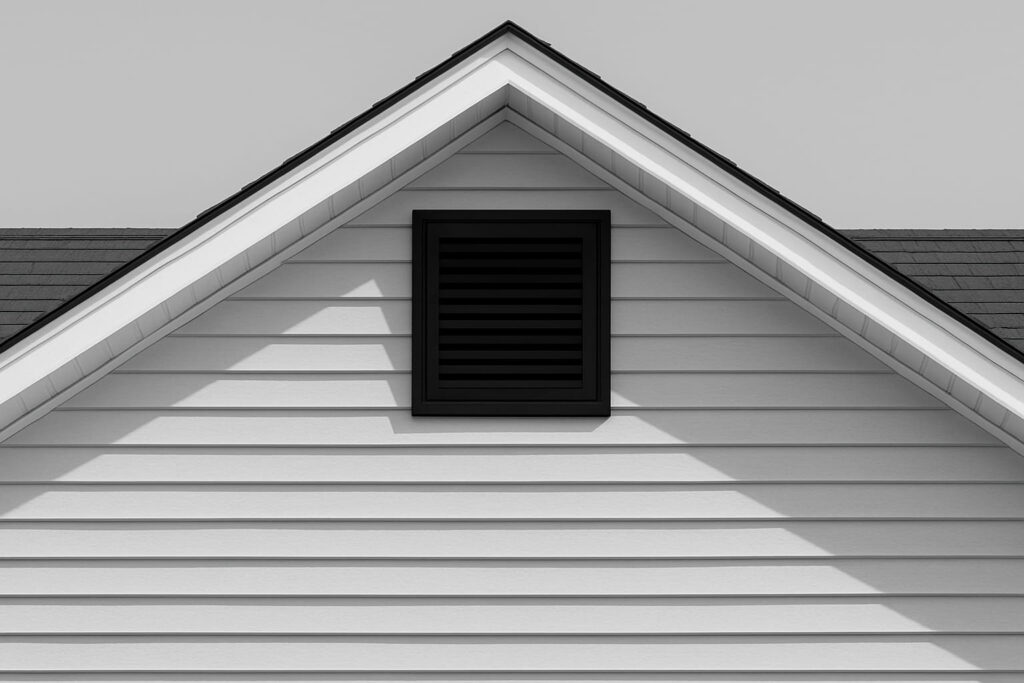
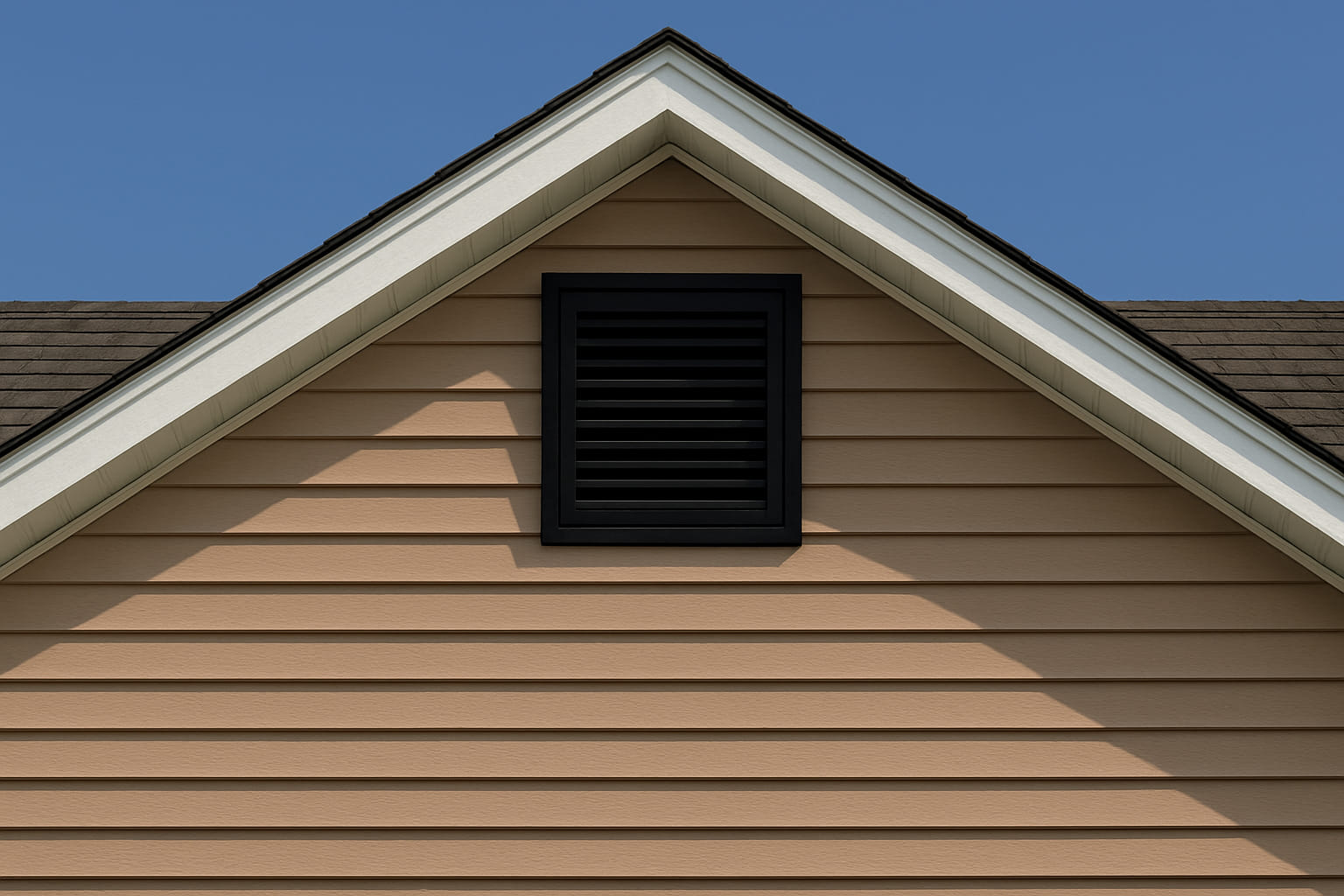
Black 18 x 24 vents are trending because they create sharp contrast on light siding or seamlessly disappear on dark homes.
-
Aluminum vents are practical and long-lasting. They resist rust and pests, and they require little upkeep.
-
Decorative vents add architectural flair, especially if you want your gable to be a design statement.
For ideas on how vents can change the look of your house, check out decorative gable vents and their design impact.
Comparing Sizes: 18 x 24 vs. 12 x 18
Not every space needs a vent as large as 18 x 24. For smaller gables, sheds, or garages, a 12 x 18 gable vent may be more appropriate. The difference comes down to airflow capacity:
-
18 x 24 vents move more air, which is essential in larger attics.
-
12 x 18 vents are compact and less visible, perfect for smaller structures.
Curious whether traditional vents still hold up against newer systems? Here’s some perspective: Attic gable vents — old school, but do they still work?.
Installation Tips: DIY or Hire a Pro?
Installing an 18 x 24 gable vent is doable for experienced DIYers, but it’s not always beginner-friendly. The steps typically include:
-
Measure and mark the cutout carefully — mistakes here are costly.
-
Cut the opening with the right saw, based on siding type.
-
Frame the vent opening for stability.
-
Mount and secure the vent, ensuring it’s level.
-
Seal around edges to block water and pests.
If you’re more interested in appearance than function, explore non-functional decorative gable vents. They can be easier to install since airflow performance isn’t a concern.
Pros and Cons to Consider Before Buying
Like most home upgrades, gable vents have strengths and drawbacks.
Advantages:
-
Affordable compared to ridge or soffit systems.
-
Add timeless visual appeal to a home’s exterior.
-
Widely available in multiple finishes.
Drawbacks:
-
May not be sufficient in hot climates without additional venting.
-
Risk of rain intrusion if poorly sealed.
-
Some roofers argue ridge vents are more efficient overall.
If you’re weighing both sides, read more about the pros and cons of gable vents.
Final Thoughts
The 18 x 24 gable vent is more than just a piece of trim. It’s a functional upgrade that keeps your attic healthier and your home looking complete. Whether you shop at Lowe’s, Home Depot, or a local supplier, you’ll find plenty of options — from sleek black finishes to durable aluminum models.
And if your gable is smaller, the 12 x 18 size might be the smarter pick. In any case, a well-chosen vent is one of those little details that makes a home both practical and beautiful.